Specialty · Probate & Estates
Inherited a home? A calm, step-by-step path through probate.
If you've inherited a house in California, you can sell it, keep it, or buy out other heirs. Full probate typically takes about 9 to 18 months, but many estates qualify for faster small-estate options. Hector Aguilar, a California Probate Specialist, helps families navigate the real estate side with patience and precision.
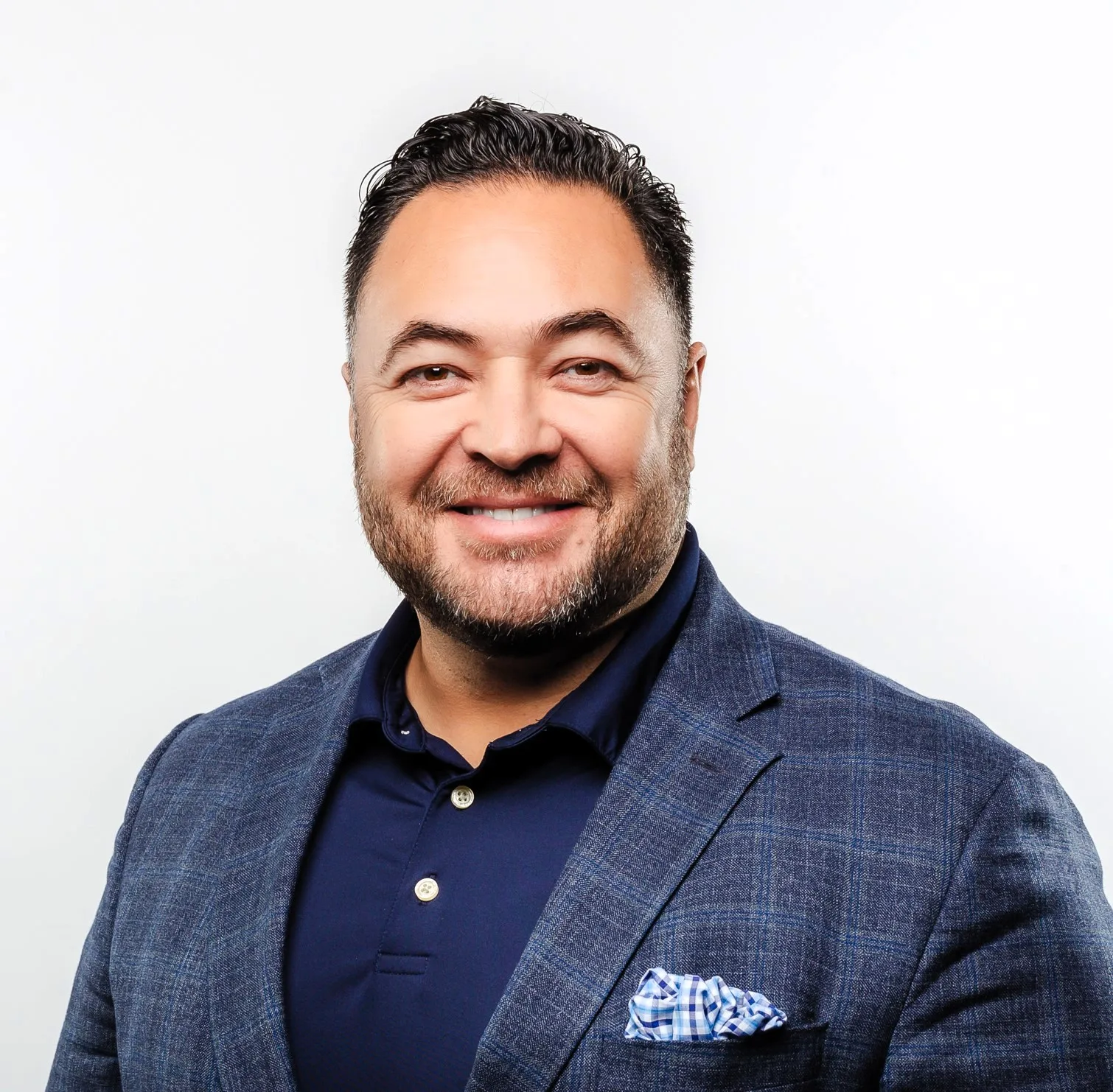
Hector Aguilar
Realtor · DRE #01257668
Probate & estate sales
Your Certified Probate Real Estate Specialist in Southern California
Selling a house after a loved one passes is all at once emotional, legal, and complicated, especially for the executor, administrator, or heir carrying the responsibility. Families need a specialist who knows the court-supervised process, works closely with the probate attorney, and keeps everyone updated with compassion and plain language. With over 30 years of experience and a Certified California Probate Specialist designation, that is exactly who Hector Aguilar is for families across the East San Gabriel Valley, West Covina, La Puente, Covina, Baldwin Park, and the surrounding areas.
- Certified California Probate Specialist
- Over 30 years in real estate
- East San Gabriel Valley & Inland Empire
- English & Spanish service
First things first
The path depends on how the property is titled.
A home held in a living trust typically passes to beneficiaries outside probate, which can mean a faster, simpler sale. A home owned in the deceased person's name alone usually goes through probate, where the court oversees the transfer and approves the sale. Small estates may qualify for affidavit shortcuts that avoid probate entirely.
For deaths on or after April 1, 2025, the California small-estate thresholds are $208,850 in gross estate value for a Small Estate Affidavit, $69,625 for real property of small value, and up to $750,000 for a primary residence under the newer succession affidavit. If the estate exceeds these, formal probate is usually required.
The good news: probate sales can close during the court process with approval, and a Realtor who has done estate sales before will keep the listing, offers, and escrow coordinated so the family isn't navigating it alone.
The basics
What is probate real estate?
Probate real estate is any property that belonged to someone who has died and must be sold or transferred through the court-supervised probate process before title can pass. In California, a home owned only in the deceased person's name usually goes through probate, while property held in a living trust or with a surviving joint owner may pass without it.
Court-supervised process
Unlike a regular sale, a probate sale is overseen by the court. The property is appraised, the price must meet the court's standard of a fair sale, and in many cases the sale is confirmed at a public hearing where qualified buyers may overbid.
Executor authority
Only the court-appointed executor or administrator can sign the listing agreement and accept an offer. Heirs cannot sell the home on their own, which is why confirming authority comes before any real estate step.
Added legal steps
Notice to heirs and creditors, an inventory and appraisal, and a court confirmation hearing are all part of the process. Each step has its own timing, and missing one can delay the sale by months.
Traditional sale
- The owner, or their authorized agent, signs when and at what price they choose.
- Price is set by the market, and offers are accepted freely.
- No court oversight, and title passes at close.
Probate sale
- The court-appointed executor signs, and the court approves the sale.
- An appraisal sets a fair price, and a confirmation hearing may bring overbids.
- A court order transfers title, and the timeline follows the estate calendar.
Not sure whether your family's home must go through probate?
Your team on the real estate side
What a probate real estate specialist does
A probate sale is a team effort among the executor, the probate attorney, and the agent. Here is the part Hector takes on, so the family is never navigating the real estate side alone.
Work with the executor
Listen to the executor or administrator, confirm their court authority, and build the plan around what the family actually wants: timing, price, and how much they want to be involved.
Value the property appropriately
Recent sales, condition, and the court's appraisal requirements come together in a price that protects the estate's equity and holds up in front of a judge.
Prepare and market the home
Coordinate the clean-out, the small repairs that matter, and light staging, then tell the home's best story to Southern California buyers with professional photography and marketing.
Coordinate with the probate attorney
Stay in lockstep with the attorney on price, offers, and the calendar so court filings, appraisals, and the confirmation hearing all stay on schedule.
Guide the family through each step
Explain what is happening and why, in plain language and in English or Spanish, and keep every family member updated from the first call to the final closing.
Not sure where your estate fits?
Talk it through with Hector on a no-pressure strategy call about your family's home.
Book a strategy call (626) 255-2783How it works
Eight steps from first call to closing.
Probate sales follow a sequence, and knowing what comes next removes most of the anxiety. Here is the path Hector walks with every family, one step at a time.
- 01
Initial consultation
A private conversation about the property, the estate, and the timeline. You will learn how the home is titled, whether probate is already underway, and what the family most wants to happen next.
- 02
Review court documents and authority
Hector confirms who holds the legal authority to sell, reviews the court filings, and coordinates with the probate attorney so no one acts without the right standing.
- 03
Valuation
Recent sales, the condition of the home, and the court's appraisal requirements all come together in a price that protects the estate's equity and holds up under court scrutiny.
- 04
Prepare the home
Clean-out, minor repairs, and light staging help the house show its best from the first photograph, with every decision made respectfully toward the family's memories.
- 05
List and market
The home is positioned on the MLS and across the marketing channels that reach Southern California buyers, with showings scheduled on the family's terms.
- 06
Present offers
Every offer is reviewed and explained so the executor can compare price, terms, and contingencies and choose the strongest path to an approved sale.
- 07
Court confirmation where required
When the estate lacks full IAEA authority, the sale is confirmed at a court hearing. Hector supports the attorney, prepares for overbids, and keeps the timeline honest.
- 08
Close
Inspections, appraisal, and escrow paperwork are coordinated to the finish, and the sale proceeds are distributed according to the estate plan or the court's order.
Want to see how these steps apply to your family's home?
The process
Nine steps become six clear stages.
Selling an inherited home is a process, not a mystery. Here's how it unfolds, with Hector coordinating the real estate side at every stage.
Confirm ownership and title
Locate the deed and any trust documents, and confirm who the beneficiaries are. Property held in a living trust may pass outside probate entirely.
Check whether probate is required
For deaths on or after April 1, 2025, a Small Estate Affidavit can cover estates up to $208,850 in gross value, an Affidavit for Real Property of Small Value applies to real property worth $69,625 or less, and a newer affidavit allows non-probate transfer of a primary residence worth up to $750,000. Larger estates typically require formal probate.
Work with the right professionals
A probate attorney guides the court process while Hector coordinates the real estate side: valuation, preparation, listing, and sale, with court approval where required.
Understand the tax basis
Inherited property generally receives a stepped-up basis to its value on the date of death, which can reduce capital gains tax when you sell. Confirm the details with your tax advisor.
Decide: sell, keep, or buy out
If siblings disagree, the options are selling and splitting the proceeds, one heir buying out the others, or keeping the home and renting it. A frank family conversation early prevents conflict later.
Prepare, price, list, and close
Estate homes often need a clean-out and honest assessment of repairs. Pricing with recent comps, not sentiment, attracts qualified buyers, and escrow distributes proceeds per the estate plan or court order.
Common questions
Questions families ask about inherited homes.
Can I sell my parents' house without going through probate?
Sometimes. If the estate qualifies for a small-estate affidavit or the home was held in a living trust, probate may not be required. For deaths on or after April 1, 2025, the Small Estate Affidavit threshold is $208,850 in gross value, and a newer affidavit allows non-probate transfer of a primary residence worth up to $750,000. An attorney can confirm which path applies.
How long does probate take in California?
Full formal probate typically takes about 9 to 18 months from filing to final distribution, with a median of roughly 16 months. Court-confirmed sales can close faster, while contested or complex estates can take two years or more.
What happens if I inherit a house with a mortgage?
The mortgage generally continues, and payments must be kept current while the estate is settled. The sale proceeds pay off the remaining balance first, and the heirs receive what remains after closing costs and commissions.
My siblings don't agree about selling. What now?
If one heir wants to sell and another wants to keep the home, the options are selling and splitting the proceeds, a buyout, or renting. When heirs cannot agree, the court may need to resolve the dispute, which is why early, honest family conversations matter.
Probate real estate FAQ
Probate real estate questions, answered honestly.
The same questions come up in nearly every first conversation. Here are straight answers, and anything specific to your family's situation is a phone call away.
What is probate real estate?
Probate real estate is property owned by someone who has died that must be transferred or sold through the court-supervised probate process. The court oversees the value and the sale so the estate is handled fairly and no one acts without proper authority.
Do I need a specialist for a probate sale?
You are not required to hire one, but a specialist brings experience most general agents do not have: court confirmation hearings, appraisals, overbids, and coordination with the probate attorney. Families who skip that experience often pay for it in delays and stress.
What if the heirs live out of state?
Distance does not slow the sale down. The court-appointed executor or administrator holds the legal authority, and Hector handles the showings, inspections, and coordination on the ground, with clear updates sent to every family member wherever they live.
How long does a probate sale take?
Once the estate representative is appointed and the home is listed, a typical sale takes 30 to 60 days to reach an accepted offer. When a court confirmation hearing is required, count on another 45 to 60 days, then roughly 30 days of escrow before close. The full probate process, from filing to final distribution, typically runs 9 to 18 months, matching the timeline on this page.
Can the home be sold as-is?
Yes. Estate homes are commonly sold as-is, and buyers understand they are purchasing the property in its current condition. Hector helps you price an as-is home honestly and disclose what is required, so the sale is not derailed later.
Who handles the paperwork?
Hector coordinates the real estate paperwork, including the listing agreement, disclosures, offers, and escrow documents, while your probate attorney handles the court filings and the confirmation hearing. You are never left guessing whose job is whose.
Have a question that is not listed here? Every estate is different, and Hector is easy to reach.
(626) 255-2783More than real estate
Selling a family home is about more than a sale.
A house holds decades of memories. Walking through a parent's home after they have passed, deciding what to keep and what to let go, then watching strangers tour the rooms you grew up in: that is heavy, and it is completely normal to feel it.
Hector treats every estate with patience and respect. He explains each step, never rushes a decision, and is comfortable sitting with the hard parts of the process.
You do not have to carry this alone. I have got your back, from the first call to the final signature.
"A true professional. Hector worked diligently to sell my Mom's house during the peak season in spring to maximize her profit. We appreciate this, as it sets her up well for her next stage of life. Hector kept us updated the whole way. He is kind and personable and never made us feel like a number. If you are looking to sell, do not hesitate to call Hector."
Published client review
Estate sale after a parent's passing
English and Spanish, side by side
Probate documents are stressful enough in your first language. Families who prefer Spanish can walk through every step, every document, and every update with Hector directly.
Printable guide
California Probate Guide for Families: Selling an Inherited Home
A plain-language walkthrough of the California probate process for families who have inherited a house, written by Hector Aguilar, Certified California Probate Specialist.
Tip: you can print this guide or save the page as a PDF from your browser's print menu.

Aguilar Realty Group
Probate & Estate Sales
Reviewed by Hector Aguilar, California Probate Specialist, DRE #01257668.
What is probate?
Probate is the court-supervised process of identifying, valuing, and distributing a deceased person's assets. In California, full probate typically applies to assets held solely in the deceased person's name, including real estate. When the home has no joint owner, living trust, or named beneficiary, the court oversees how the property is transferred or sold, and the heirs cannot act on their own until the court says so.
Do you need full probate?
Not every estate goes through full probate. These shortcuts and exceptions can save months of court time:
- Small Estate Affidavit: covers personal property under $208,850, rising to $239,700 for deaths on or after April 1, 2026. It excludes real estate and has a 40-day waiting period.
- Simplified Petition: available when the primary residence is worth $750,000 or less.
- Spouse petitions: no dollar limit in most cases.
- No probate needed for: trust assets, joint tenancy property, payable-on-death accounts, and life insurance with named beneficiaries.
Step-by-step timeline
A typical full probate runs roughly 9 to 18 months. Here is how the months usually line up:
- Month 0
- Petition filed and the estate representative is appointed.
- Months 1-2
- Notice goes to heirs and creditors, and the 4-month creditor claim period begins.
- Months 2-4
- Inventory and appraisal are completed.
- Month 4+
- Creditor claims are resolved, and taxes and expenses are paid.
- Months 6-16
- Real estate is sold if needed, and the final distribution is prepared.
- Close
- Final accounting is filed and the estate is closed.
Selling the house: what to expect
A probate sale follows court rules, so the process looks a little different from a typical listing:
- The agent can list the home with court approval.
- Without full Independent Administration of Estates Act (IAEA) authority, the sale must be confirmed at a court hearing, typically 45-60 days after an accepted offer.
- Qualified buyers can overbid at the confirmation hearing, so the final price may change after the initial offer.
- The full sale process typically takes 6 to 18 months.
Common pitfalls to avoid
- Selling before the court appoints a representative. Title won't transfer without court authority.
- Ignoring the 4-month creditor claim window. Claims filed outside it can complicate the sale.
- Underpricing out of haste. The court confirmation process is not a reason to give the home away.
- Overpricing without understanding court confirmation. Bidders and the court still compare against appraised value.
- Skipping professional guidance on tax implications. A stepped-up basis usually helps, but every family's numbers differ.
Questions to ask your real estate agent
Not every agent has real probate experience. Ask these five questions before you sign:
- 1 How many probate sales have you handled personally?
- 2 Do you hold the California Probate Specialist designation?
- 3 How do you help navigate the court confirmation hearing?
- 4 Do you coordinate with the probate attorney and the executor?
- 5 What is your strategy to get the highest confirmed sale price?
About the author
Hector Aguilar
Certified California Probate Specialist
Hector has spent more than 34 years helping families sell inherited homes in West Covina, La Puente, Covina, Baldwin Park, and throughout the San Gabriel Valley. He guides each family through the court process with patience, honesty, and clear communication, from the first conversation to the final distribution.
Hector Aguilar | DRE #01257668 | (626) 255-2783 | Aguilar Realty Group, eXp Realty of California, Inc.
Kind regards, Hector
Inherited a home? You don't have to figure this out alone.
Hector Aguilar Realty Group can explain the real estate process for inherited homes in the San Gabriel Valley, with clear answers and a realistic timeline.
Free strategy call
Talk with a probate real estate specialist today.
Whether you are the executor, an heir, or the family member carrying the conversation for everyone else, the first call is the hardest part. Reach Hector directly at (626) 255-2783 or book a private strategy call, and get clear, honest answers about your family's home. No charge, no pressure.
Aguilar Realty Group, brokered by eXp Realty of California, Inc. · DRE #01257668